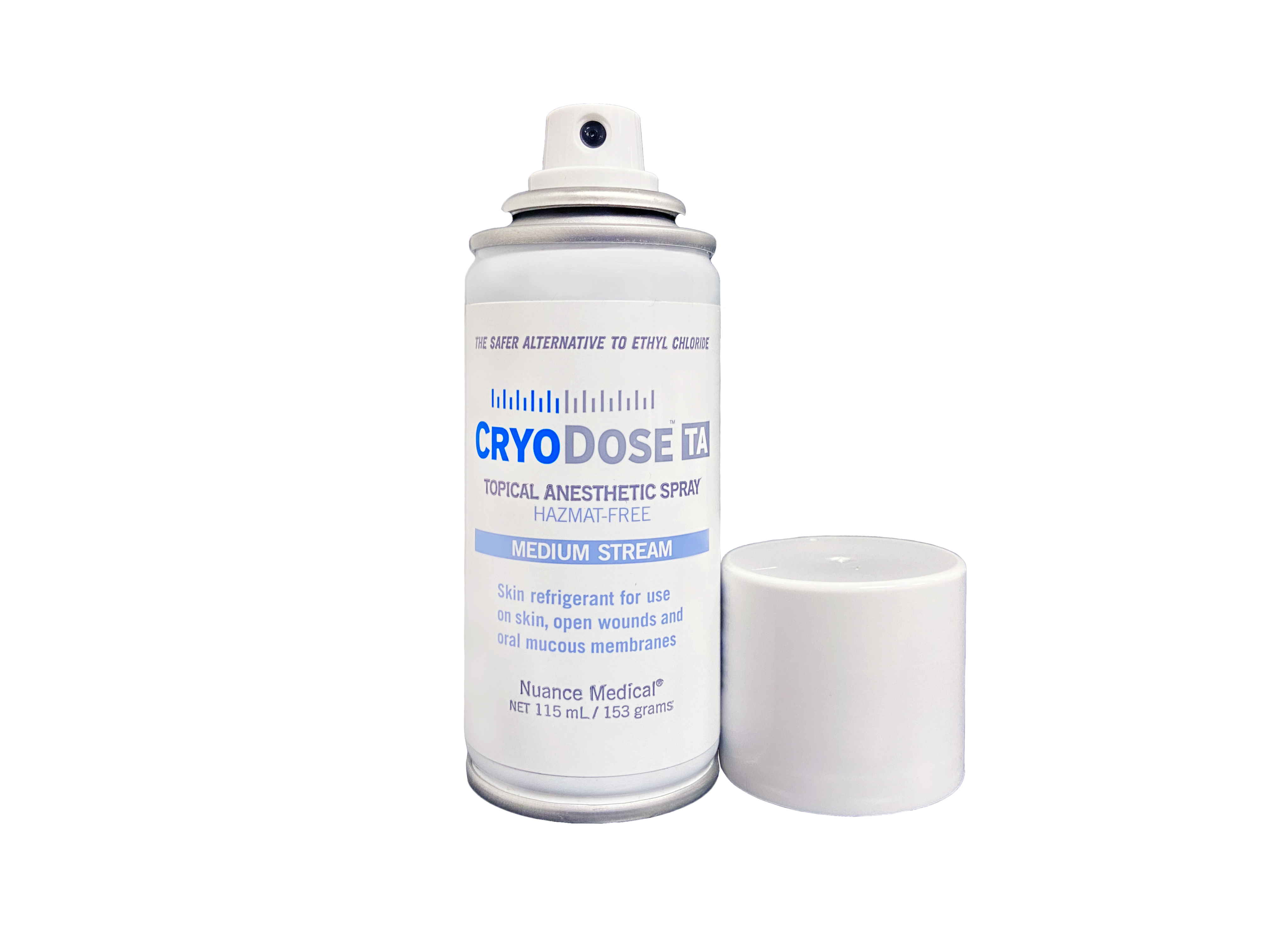
Ethyl Chloride Toxicity
CDC recommends that Ethyl Chloride be treated in the workplace with caution because of its structural similarity to the four chloroethanes (ethylene dichloride; hexachloroethane; 1,1,2,2-tetrachloroethane; and 1,1,2-trichloroethane) shown to be carcinogenic in animals. Click here to learn more.
The American Conference of Governmental Industrial Hygienists (ACGIH®) carcinogenicity designation Click here to learn more.
British Journal of Anesthesia article on Ethyl Chloride as a general anesthetic. Click here to learn more.
National Toxicology Program (NTP) study indicated that inhaled Ethyl Chloride is carcinogenic in female mice and may be carcinogenic in rats. Click here to learn more.
The National Capital Poison Center (NCPC), details that in animal studies, Ethyl Chloride exposure was associated with an increase in uterine and liver tumors in female mice. Click here to learn more.
European Chemicals Agency (ECHA), the classification provided by companies to ECHA in REACH registrations identifies that Ethyl Chloride may damage fertility or the unborn child and contains gas under pressure and may explode if heated. Click here to learn more.
Ethyl Chloride Occupational Airborne Exposure Limits
OSHA The legal airborne permissible exposure limit (PEL) of Ethyl Chloride is 1,000 ppm averaged over an 8-hour work shift. Click here to learn more.
*OSHA recognizes that many of its permissible exposure limits (PELs) are outdated and inadequate for ensuring protection of worker health. OSHA recommends that employers consider using the alternative occupational exposure limits because the Agency believes that exposures above some of these alternative occupational exposure limits may be hazardous to workers, even when the exposure levels are in compliance with the relevant PELs.
ACGIH® TLV® (Threshold Limit Value) Click here to learn more.
Cal/OSHA The permissible exposure limit of Ethyl Chloride is 100ppm averaged over an 8-hour work shift. Click here to learn more.
ECHA Occupational Exposure Limits of Ethyl Chloride is 100ppm. Click here to learn more.
Ethyl Chloride Fact Sheets
EPA, Health Effects Notebook for Hazardous Air Pollutants, Ethyl Chloride Click here to learn more.
World Health Organization, INCHEM, Ethyl Chloride Click here to learn more.
Ethyl Chloride Info, State Agencies
California Office of Environmental Health Hazard Assessment (OEHHA), California Proposition 65 warning listing Ethyl Chloride as causing cancer. Click here to learn more.
New Jersey Department of Health and Senior Services, Toxic Chemical Fact Sheet, Ethyl Chloride Click here to learn more.